









Reba Ceremony in Ngada Tribe Flores Island
10 January 2025 586x Blog, Destination
Introduction to Reba and the Ngada Tribe
The Ngada tribe, residing on the picturesque Flores Island in Indonesia, boasts a rich cultural tapestry woven through generations of traditions and beliefs. This indigenous community is renowned for its unique practices, which encapsulate their connection to the land, their ancestors, and the spiritual world. At the heart of Ngada culture lies the Reba ceremony, a Thanksgiving ritual that exemplifies the tribe’s deep-rooted ties to their heritage and communal bonds. Reba is not merely a ceremonial observance; it is a vital expression of the Ngada people’s identity.


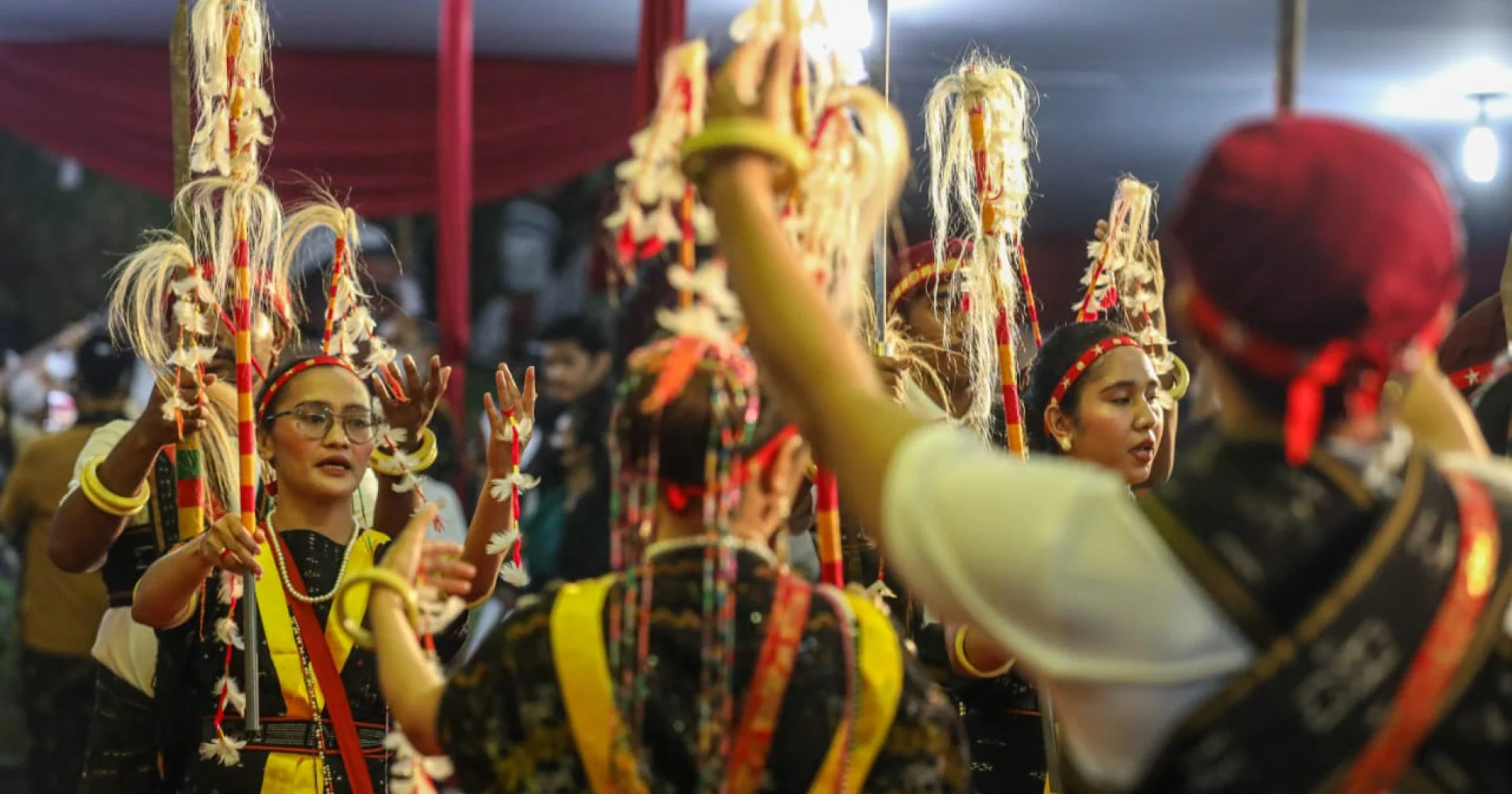

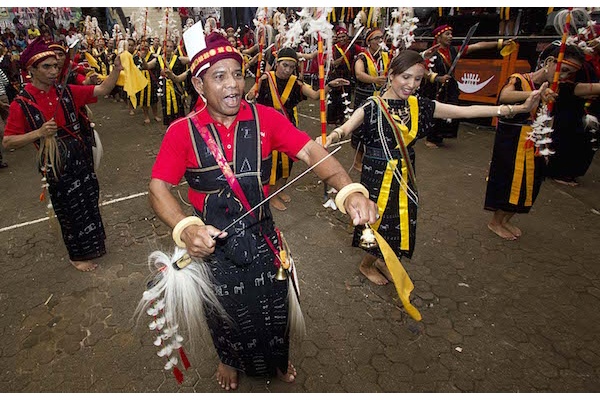

The significance of the Reba ceremony extends beyond mere celebration. It serves as a manifestation of gratitude toward nature and the ancestors who guide the tribe’s existence. During this time, the Ngada come together to honor the spirits of their forebears, ensuring that their wisdom and guidance continue to influence present and future generations. This communal gathering strengthens kinship ties, providing an opportunity for the tribe to reaffirm their collective identity amidst the ever-changing landscapes of modernity.
In essence, the Reba Thanksgiving ritual is emblematic of the Ngada tribe’s worldviews and cultural practices, encapsulating their reverence for nature, spirituality, and community, ensuring that their traditions remain vibrant and meaningful in a contemporary context.
The Ritual Process of Reba
The Reba ceremony of the Ngada tribe, celebrated annually in Flores Island, is a significant cultural event that encapsulates the community’s gratitude towards their ancestors and the land. The process of this ritual is elaborate, commencing with meticulous preparations that can span weeks. Community members engage in discussions to determine the exact date of the ceremony, ensuring that it aligns with the agricultural calendar and involves the harvesting of crops, which are central to the offerings made during Reba.
In the days leading up to the event, families work collaboratively to prepare traditional offerings. These typically include rice, root vegetables, and livestock, particularly pigs, which are central to Ngada rituals. Each family member plays a role in this preparation, ensuring that the offerings are abundant and respectful. An adherence to traditional methods is paramount, reinforcing the connection to the Ngada identity and their ancestors.
On the day of the Reba ceremony, the community gathers at a designated location, often a central courtyard, which serves as the focal point for the rituals. Elders lead the proceedings, starting with prayers and blessings, invoking the spirits of their ancestors to watch over the event. This sacred moment solidifies the communal bond as generations come together, creating a space of reflection and unity.
The ritual is further highlighted by various traditional performances, including music and dance, which are interspersed with storytelling. These activities not only entertain but also educate younger generations about the Ngada cultural heritage and instill a sense of pride. As participants partake in sharing meals and engaging in collective prayers, the spirit of gratitude permeates the air. Each action during the Reba ritual serves to reinforce the Ngada tribe’s values and their deep-seated connection with their ancestry and the earth.
The Symbolism Behind Reba
The Reba ceremony of the Ngada Tribe serves as a rich tapestry of cultural symbolism, encapsulating the values and beliefs that define this vibrant community on Flores Island. Central to the Reba ritual are the food offerings that play a pivotal role in expressing gratitude to ancestral spirits and the environment. Traditional dishes, often made from local ingredients such as rice, tubers, and a variety of vegetables, symbolize the tribe’s deep connection to the land and their commitment to sustainable practices. Each food item is infused with meanings related to fertility and the well-being of the tribe, highlighting the importance of agriculture in their society.
Additionally, the decorations that adorn the ceremonial space carry profound significance. Colorful textiles and natural materials like bamboo and flowers are used to create an atmosphere that reverberates with the tribe’s identity and heritage. The designs often incorporate motifs that reflect local nature, further emphasizing the Ngada people’s harmonious relationship with their environment. Such decorations do not merely serve an aesthetic purpose; they are imbued with meanings of prosperity and protection, helping to reinforce communal bonds among participants.
Traditional attire worn during the Reba ceremony also adds layers of symbolism. Each garment, often handcrafted, tells a story of ancestry, lineage, and cultural heritage. The colors and patterns on these outfits can represent various aspects of life, including fertility, strength, and unity within the tribe. As participants don these garments, they not only honor their ancestors but also affirm their cultural identity and continuity. In this way, the Reba ceremony is not a mere ritual; it is a powerful conduit through which the Ngada people celebrate their existence, sustain their identity, and foster an awareness of their interconnectedness with nature and the broader world.
Modern Interpretations and Challenges of Reba
The Reba ceremony, a time-honored Thanksgiving ritual of the Ngada tribe on Flores Island, has not remained static amid the waves of globalization and modernization. In recent years, this traditional event has undergone various transformations, reflecting both the resilience of the Ngada culture and the pressures of contemporary societal dynamics. While the core aspects of Reba continue to honor agricultural bounties and spiritual gratitude, new interpretations have emerged that aim to resonate with the younger generation.
As globalization influences the cultural landscape, some Ngada people find themselves at a crossroads. The infusion of modern values and lifestyles poses challenges to the continuation of Reba. However, many community members are actively striving to preserve their cultural heritage, emphasizing the importance of traditional practices like Reba as a fundamental element of their collective identity. Efforts to document and adapt the ritual include the incorporation of modern technology, such as social media platforms to promote awareness and appreciation of Reba beyond local confines.
Moreover, there is a conscious effort among the Ngada tribe to redefine the ritual without diluting its essence. This includes organizing events that invite not only tribe members but also tourists and researchers, thereby generating interest in the Reba ceremony. Such initiatives encourage intergenerational dialogue, allowing older community members to pass down stories and customs related to Reba while also engaging younger audiences in meaningful ways.
In conclusion, the Reba ceremony stands as a testament to the Ngada tribe’s rich cultural heritage, facing both remarkable challenges and intriguing opportunities for modern interpretation. The commitment to safeguarding this vital tradition indicates a deep-rooted understanding of its significance in defining Ngada identity in the context of an ever-evolving world. The continued celebration of Reba will ensure its legacy for future generations, reinforcing the bonds of community and tradition amid changing times.

Maybe you are interested in reading the following article:
Your gateway to Labuan Bajo is with Parlino Flores Tour
Welcome to Parlino Flores Tour! Labuan Bajo is the most prestigous tourist destination in the world; as it is the main gateway for every tourists who would like to visit Komodo National Park. Moreover, Labuan Bajo is a super premium tourist destination stated by President decree 2018. Labuan Bajo with Parlino Flores Tour Parlino Flores... read more
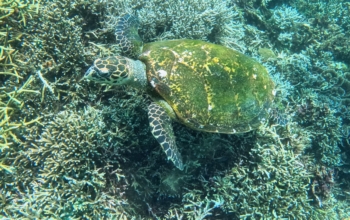
A thrilled Komodo Marine Life: Siaba Snorkelling Turtle Point
Who wouldn’t want to experience an extraordinary underwater world? If you love snorkeling or diving, Siaba snorkelling Turtle Point is a must-visit destination! Located within Komodo National Park, this island is known as a haven for sea turtles that swim freely in its waters. read too: Exploring the Unique Beauty of Pink Beach in Komodo... read more

Bukit Sylvia: Labuan Bajo a Breathtaking Sunset Point
Bukit Silvia Sunset Point Labuan Bajo: The Best Place to Enjoy Nature’s Beauty Labuan Bajo, one of Indonesia’s most popular tourist destinations, is home to many incredible natural wonders. One of the best spots to enjoy the beauty of Labuan Bajo is Bukit Silvia Sunset Point. Known for its mesmerizing sunset views and stunning natural... read more

Est-ce que les offres de fidélité All Wins Casino valent vraiment le coup ?
En tant que SEO-copywriter avec une décennie d’expérience dans le iGaming, j’analyse aujourd’hui les programmes de fidélité proposés par All Wins Casino. Cette plateforme se distingue sur le marché par ses promotions régulières et son système de récompenses, mais la vraie question est : est-ce que ces offres apportent une réelle valeur a... read more

A 2-Day, 1-Night Komodo Traditio...
Reasonable rate? Catch our WhatsApp or Email

A 6-Day, 5-Night Flores Komodo G...
Reasonable rate? Catch our WhatsApp or Email


A 6D5N Flores Komodo Culture Tou...
Reasonable rate? Catch our WhatsApp or Email

One day Komodo fast boat Tour
Reasonable rate? Catch our WhatsApp or Email
Sumba Tour: A 5-Day,4-Nights Vis...
Reasonable rate? Catch our WhatsApp or Email

A14-Day,13-Night Flores Tour
Reasonable rate? Catch our WhatsApp or Email
Tripadvisor


Contact Us
If you have any questions, please contact us.
-
Hotline
+6282144208519 -
Whatsapp
+6282144208519 -
Email
admin@parlinoflorestours.com


No comment yet